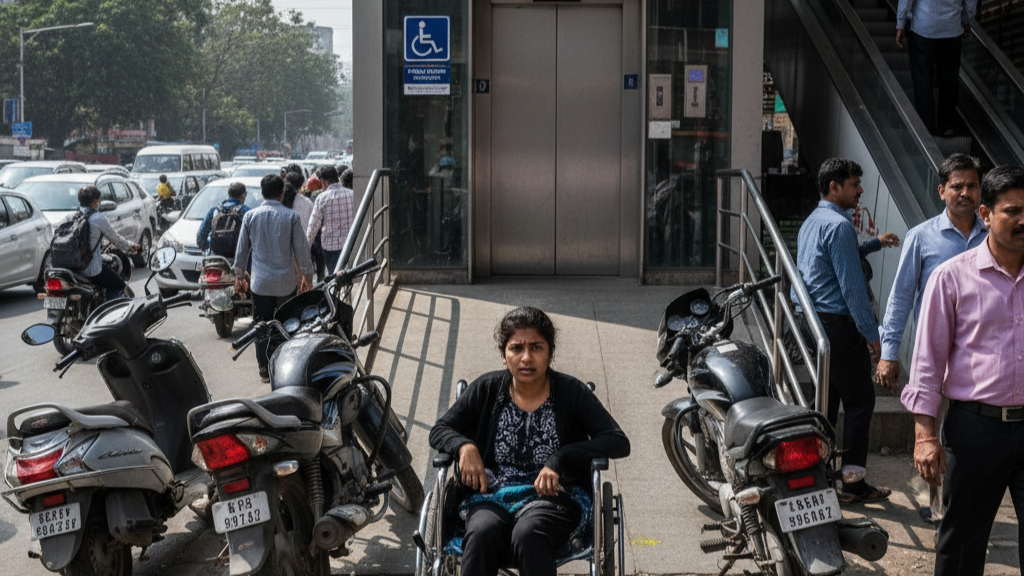
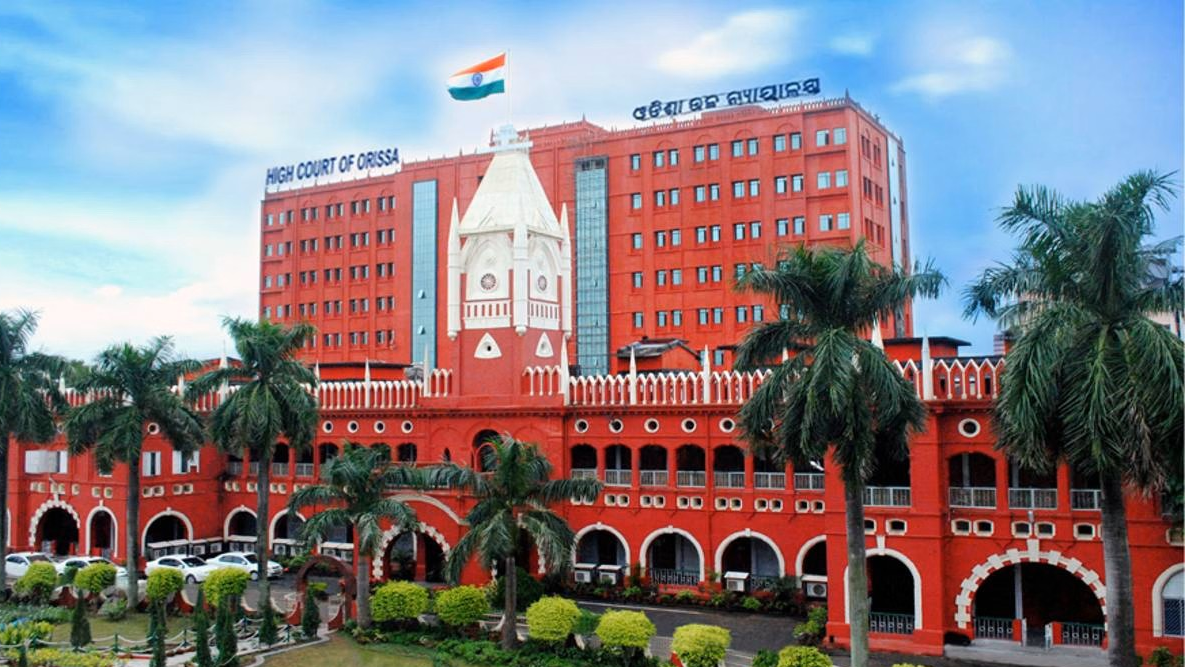
The right to inclusive education for Persons with Disabilities (PwD) was recently underscored by a firm judicial order from the Orissa High Court in India. The court’s intervention was necessitated by the gross failure of a prominent educational institution to provide basic, legally mandated accessible infrastructure, demonstrating the judiciary’s vital role in enforcing the provisions of the Rights of Persons with Disabilities (RPwD) Act, 2016.
The Case and the Critical Findings
The issue was raised concerning the Shailabala Women’s Autonomous College in Cuttack, a century-old institution that enrolls numerous students with disabilities, including 73 PwD students, of which 52 are boarders. The court took up the matter after allegations surfaced regarding the complete lack of accessible facilities, a situation so dire that one orthopaedically handicapped student was reportedly forced to leave the hostel after just three days due to the non-conducive environment.
A division bench, comprising Justices S K Sahoo and V Narasingh, acted swiftly by ordering an on-site inquiry. The report, submitted by the Additional District Magistrate (ADM), Cuttack, on October 22, 2025, confirmed the allegations, revealing significant infrastructural gaps:
- Inaccessible Classrooms: Classrooms were found to lack proper ramps and accessible furniture, making basic attendance a barrier.
- Inadequate Learning Resources: The report noted that Braille books and assistive devices were insufficient to cater to the needs of the students.
- Hostel and Basic Facilities: Despite one hostel (Madhusudan Hostel) having a ramp and a lift with Braille buttons, many toilets, academic blocks, and other hostel facilities were not disabled-friendly. Crucially, there was an absence of wheelchairs for orthopaedically handicapped students and no tactile pathways for the visually impaired.
- Failed Accommodation: The report specifically verified the case of one orthopaedically handicapped student, Golapi Sirka, who “could not stay and left the hostel after three days” due to the non-conducive facilities.
Court’s Directive for Coordinated Action
Following the alarming findings, the High Court directed the Director of Higher Education and the Special Secretary of the Social Security & Empowerment of Persons with Disabilities (SSEPD) Department, who were virtually present during the hearing, to submit their official response to the ADM’s report.
The bench emphasized the need for a “concerted effort” involving the Department of Higher Education, the SSEPD Department, the district administration, and the College Principal to immediately fix the problems. The court ordered that a comprehensive plan of action, detailing the decisions taken to remedy the gaps, must be submitted by October 28, 2025, with the next hearing scheduled for October 30, 2025.
As an immediate measure, two wheelchairs and ten white canes were reportedly supplied. Furthermore, officials were directed to prepare detailed estimates for modified accessible toilets, ramps, and tactile paths within fifteen days, signaling a firm judicial push to ensure that educational spaces in India are truly inclusive. This case serves as a powerful precedent, reaffirming that the constitutional rights of PwD students cannot be denied due to institutional apathy or infrastructural negligence.
News Sources:
- The Times of India: Orissa high court orders immediate improvements for disabled students at Shailabala Women’s Autonomous College (Source URL: Available via Google Search, titled “Orissa high court orders immediate improvements for disabled students at Shailabala Women’s Autonomous College”)
- UNITED NEWS OF INDIA (UNI): Orissa HC seeks report on lack of basic facilities for differently abled students at Odisha’s premiere women varsity (Source URL: Available via Google Search, titled “Orissa HC seeks report on lack of basic facilities for differently abled students at Odisha’s premiere women varsity”)