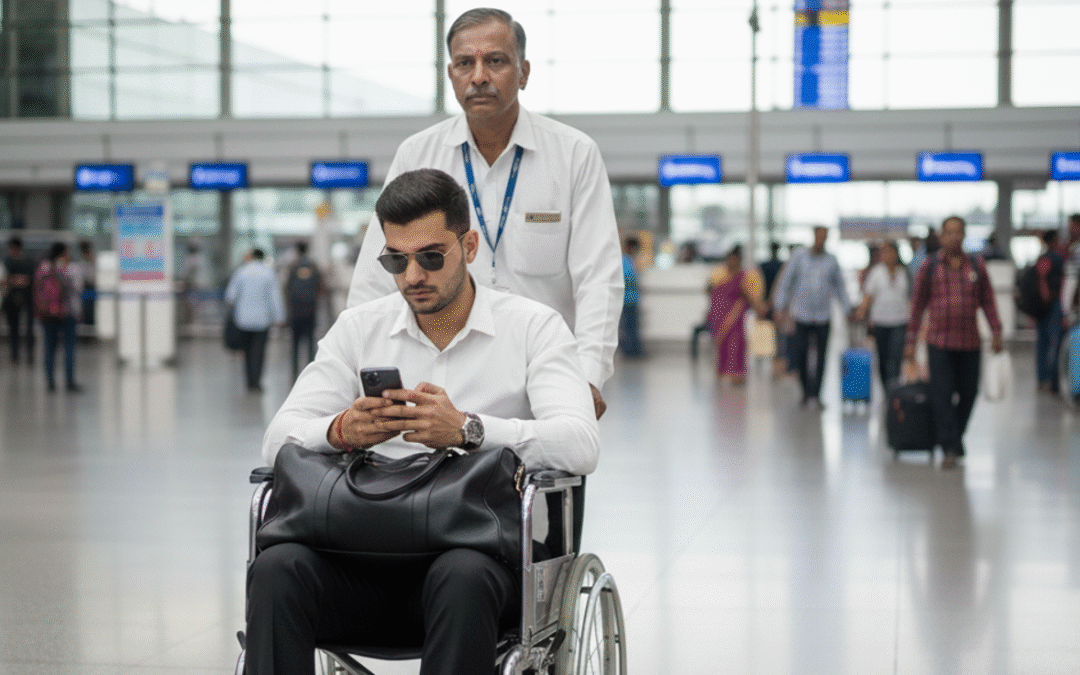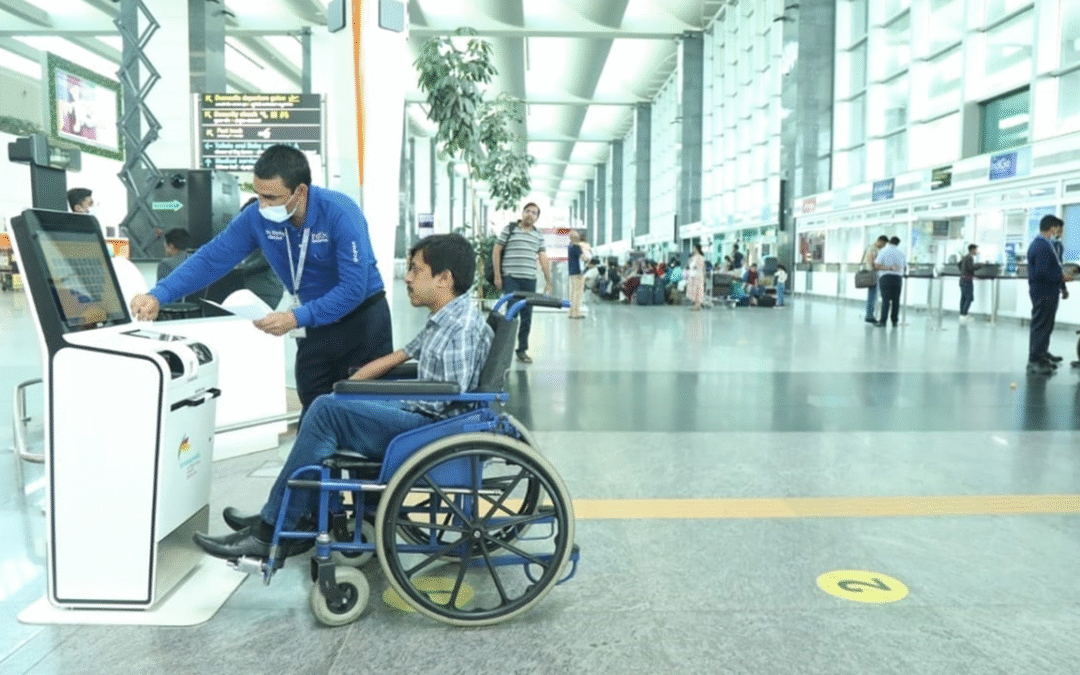
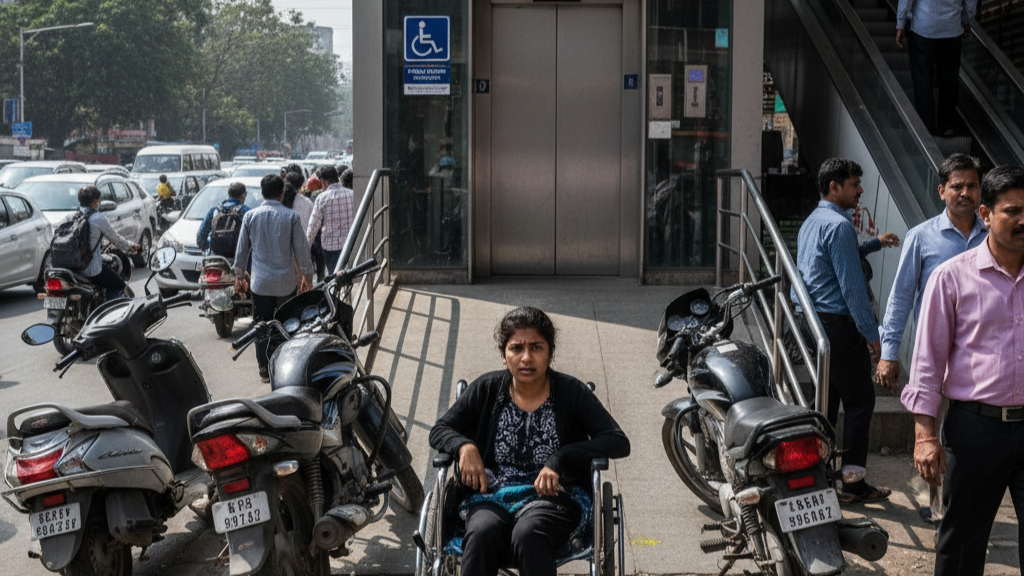
Our cities are slowly getting better at building accessible public spaces, complete with ramps, designated parking, and special lifts for Persons with Disabilities (PwDs) and senior citizens. However, the functional success of this infrastructure is often sabotaged not by a lack of engineering, but by a profound lack of civic sense among the general public. These accessible lifts, meant to be lifelines for wheelchair users, frequently become choked with able-bodied individuals, rendering them useless for those who truly need them.
In busy metros, railway stations, and shopping complexes, the elevator reserved for PwDs is often seen as a mere convenience—a way to skip the escalator queue. This “ignorance of PwDs” and their struggle translates into a daily barrier. For a wheelchair user, a blocked accessible lift is the same as having no lift at all. It’s a moment of exclusion and indignity that negates the very purpose of the costly infrastructure. They are forced to wait, often enduring long delays, while the essential facility is monopolised. This thoughtless behaviour turns a right into a privilege, only available at the public’s mercy.
The Escalator Solution and Public Awareness
The solution lies in shifting the public’s mindset through targeted and aggressive awareness campaigns. The key message must be simple and non-negotiable: “If you can use an escalator, do so.” Escalators are designed for mass transit and general use. Accessible lifts are designed for critical mobility needs.
Here are effective ways to bridge this gap in civic awareness:
- Direct, High-Visibility Signage: Replace small, generic PwD symbols with large, clear text such as: “Priority Lift: For Wheelchair Users & Senior Citizens ONLY. Please Use Escalator.”
- Verbal & Audio Announcements: Regular announcements in public transport hubs must specifically instruct able-bodied persons to use the escalators and reserve the lift for those with mobility challenges.
- Use of Digital Displays: Digital screens should display short, empathetic videos showing a wheelchair user waiting while the lift is full, highlighting the real-world impact of misuse.
- Enforcement and Peer Pressure: Station staff must be empowered and trained to politely intervene and guide general users toward escalators. Furthermore, posters should appeal to the public’s conscience, framing misuse as an unacceptable act of selfishness that directly harms a fellow citizen.
Accessible infrastructure is only half the battle; the other half is fostering the social empathy and discipline to use public resources responsibly. Until the general public sees the accessible lift as a reserved necessity, not an optional convenience, India’s accessibility mandate will remain blocked at the elevator door.
The Roadside Anarchy: Blocking the Disabled
While accessible infrastructure is a triumph of policy, it often becomes a casualty of what can only be described as sheer, selfish civic hooliganism on India’s roads. The calculated disregard for the movement and safety of persons with disabilities is not merely an inconvenience; it is an act of aggressive exclusion.
Access Denied: Vehicle Misuse as a Barrier
- Ramps as Private Parking Spots: Near major metro and railway stations, it’s an appallingly common sight to find cars, taxis, and auto-rickshaws brazenly parked directly on or immediately in front of accessibility ramps. These ramps, which are the only way for a wheelchair user to access the footpath or the station entrance, are treated like casual drop-off zones or free parking. For the wheelchair user, this isn’t just a hurdle; it’s an impassable, concrete wall erected by a thoughtless driver. The arrogance of assuming one’s temporary convenience outweighs a disabled person’s fundamental right to mobility is frankly disgusting.
- Footpaths as Two-Wheeler Expressways: During India’s notorious traffic jams, the situation descends into absolute anarchy. Two-wheelers, driven by entitled, impatient citizens, shamelessly mount the footpaths—which are supposed to be safe pedestrian zones—to bypass traffic. They use the accessible ramps meant for bus stops (or any other slope) as their personal slip roads. This transforms a designated safe passage for PwDs into a lethal, chaotic speedway. A person in a wheelchair or using a cane is forced into a dangerous, undignified dance to avoid being hit by these reckless buffoons, often being pushed back onto the main road. The very infrastructure designed for their safety is commandeered by those too selfish to wait their turn.
Zero-Tolerance Enforcement
The only way to tackle this epidemic of entitled parking and driving is through relentless, punitive enforcement.
- Draconian Fines and Immediate Towing: Implement exorbitantly high fines—not the token penalties currently in place—for parking on or near any accessibility feature (ramps, tactile paths, curb cuts). This should be coupled with a zero-tolerance policy for immediate towing of the vehicle. The monetary pain must be significant enough to deter the most hardened offenders.
- Utilise Technology and Public Reporting: Deploy dedicated surveillance cameras with AI recognition near all critical accessibility points. Furthermore, establish a public reporting app where citizens can upload geo-tagged photos of violations, leading to automatic e-challans issued to the registered vehicle owner. Make every citizen an enforcement agent against this unacceptable public nuisance.