How far is too far for a few million views? For a growing number of digital creators, the answer seems to be- “there is no line”.
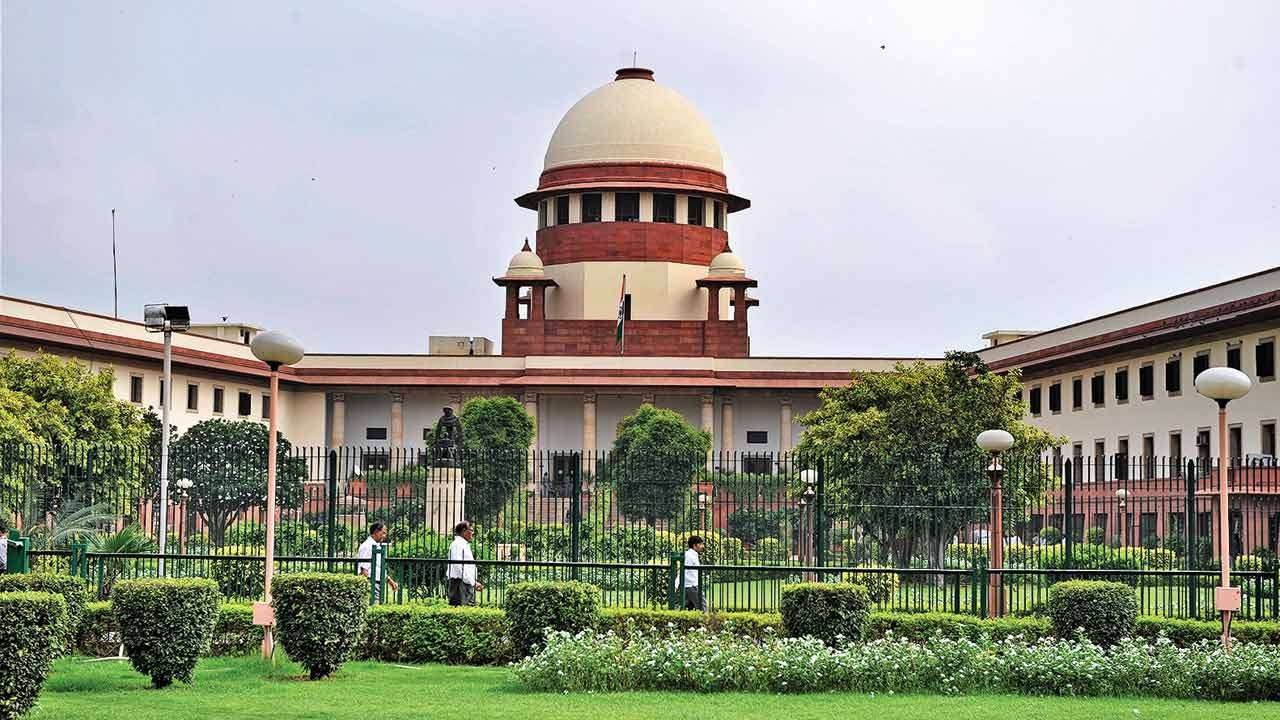
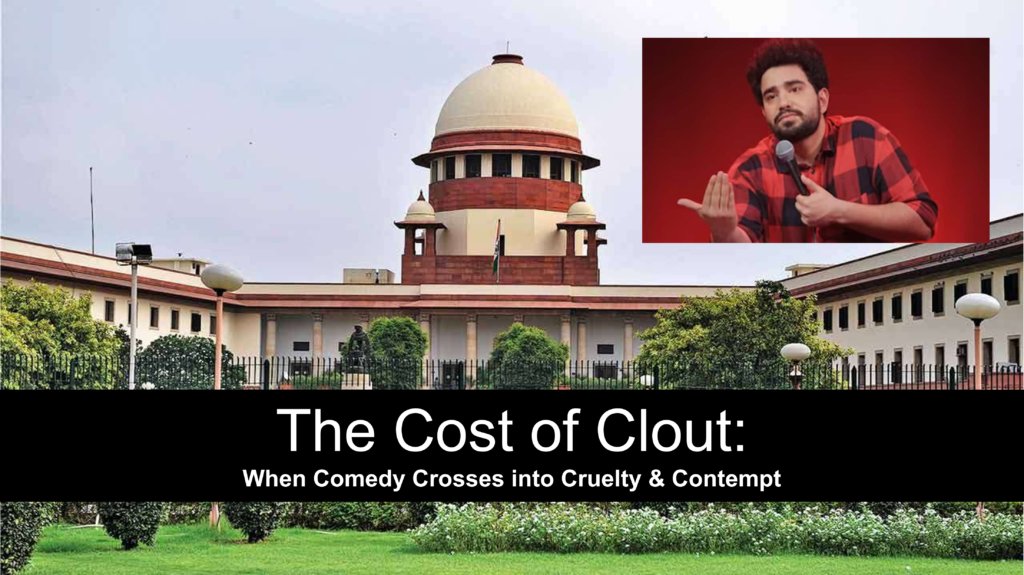
The recent proceedings in the Supreme Court of India surrounding comedian Samay Raina and his peers have exposed a troubling trend. What began as “humor” targeting persons with physical disabilities and infants suffering from rare conditions like Spinal Muscular Atrophy (SMA) on shows like India’s Got Latent – mostly controversial – has escalated into a masterclass in institutional disrespect and moral bankruptcy.
Taking the Constitution for a “Ride”
When the Supreme Court initially intervened, it offered leniency—a chance at genuine atonement by directing the creators to use their massive platforms to raise awareness, engage directly with disability foundations, and host fundraising shows.
Instead, the creators displayed what the Court rightly identified as a “brazen violation” of solemn undertakings. The Bench, led by CJI Surya Kant, noted with severe displeasure that Raina had “taken the court for a ride”. Justice Joymalya Bagchi pointedly called out the superficial attempt to parade compliance, noting that throwing money around without real engagement gave the impression of trying to “buy them out”.
The Court’s words resonate far beyond the courtroom: “If you used their disability to showcase your fundamental right to commercial speech… What about their fundamental right to dignity?”
“In public life, the more you respect others, the more respect you earn. You don’t humiliate people.”
For their failure to coordinate with affected advocacy groups and abide by court directives, the Apex Court slapped a ₹3 Lakh fine on the individuals involved, warning of an escalation to ₹30 Lakh if compliance remains an afterthought.
A Legacy of Judicial Line-Drawing
This is not the first time Indian courts have had to remind public figures that freedom of speech is not a license to humiliate. The Indian judiciary has consistently upheld that Article 19(1)(a) (Freedom of Speech) is inextricably linked with Article 21 (The Right to Life and Dignity). In landmark judgments regarding hate speech and dignity—such as Pravasi Bhalai Sangathan v. Union of India and Kaushal Kishor vs. State of UP—the Supreme Court firmly established that public personalities hold a heightened duty of care, and commercial speech cannot trample upon the fundamental dignity of marginalized communities.
The Epidemic of “Attention-Hungry” Content
What we are witnessing is a systemic issue within the digital creator economy. Driven by algorithm-chasing algorithms and validation-hungry audiences, so-called “youth icons” routinely trade empathy for engagement. Mocking vulnerable individuals, punching down, and hiding behind the shield of “it’s just a joke” has become a business model.
When creators view judicial directives as mere inconveniences to maneuver around rather than opportunities to mend societal harm, it reveals a profound lack of ethics. Monetized clout obtained at the expense of a child’s dignity or a disabled person’s humanity isn’t comedy—it is exploitation.
The Way Forward: The Supreme Court’s firm stance serves as a wake-up call to the entire influencer industry, brands, and audiences alike.
Brands must evaluate who they choose to endorse and align with financially. Platforms must enforce stricter community standards against punching down. Audiences must stop rewarding cruelty with clicks. Real influence requires responsibility. It is time we stop elevating self-proclaimed icons who treat human dignity as collateral damage for viral fame.